Willkommen bei WordPress Websites. Dies ist dein erster Beitrag. Bearbeite oder lösche ihn und beginne mit dem Schreiben!
Blog
-

Hospitality in Switzerland
Between high service quality, efficiency and genuine human interaction
Switzerland enjoys an excellent reputation worldwide in the hospitality industry. Clean rooms, adherence to hygiene regulations, professional staff conduct, language skills, and efficient processes set global standards. But what about genuine, unpretentious hospitality?
The tourism industry is primarily geared towards generating added value. Those with money are welcome – a phenomenon observed worldwide. Nevertheless, respect for guests often seems closely tied to their financial means. Switzerland is expensive, and the pressure on tourists to spend accordingly is high.
At the same time, travel agencies are drastically reducing prices for large tour groups. The consequence: the quality of food, accommodation, and tour guides suffers, as margins have to be cut. After all, the industry needs to be profitable.
The conflict between efficiency and warmth
One possible solution could be to involve more locals in guest services – for example, through local guides who volunteer to lead hikes with tourists, supported by the local tourism association. However, experience shows that many tourists prefer trained professionals who convey historical facts, even if these are quickly forgotten.
When asked about her experience of Swiss hospitality, a visitor to Baden replied that the people seemed very reserved. This aptly summarizes the mood in many places:
„It’s nice when tourists come – but the Swiss are glad when they leave again!“
In destinations with intensive tourism advertising and a strong range of offerings, quiet background noises are increasing:„Simply too many Indians – where are the Norwegians and Dutch?“The Indian target market is enormous and experiencing strong growth. Since success in tourism is usually measured by sheer visitor numbers, marketing funds are invested where efficiency is highest.
But is hospitality compatible with efficiency? Probably not. True hospitality means giving time without immediately looking for a return on investment, and practicing generosity. Paradoxically, this quality is often weakened by increasing prosperity – even though prosperity would create the very foundation for a relaxed and generous culture of welcome.
New impetus for a vibrant welcoming culture
To counteract alienation and create spaces for genuine encounters, innovative approaches to guest services are needed. Instead of solely herding visitors through tourist hotspots, they should be encouraged to visit everyday neighborhood meeting places. The Zurich model of community centers (GZ) exemplifies what vibrant socio-culture looks like: Here, tourists meet locals casually over coffee, at the neighborhood playground, or at cultural events. Such places offer authentic glimpses into everyday Swiss life, far removed from commercialism.
In addition, small, personal micro-encounters – such as an informal „coffee and chat“ with residents or guided walks through neighborhoods – foster genuine mutual understanding and break down prejudices. At the same time, targeted training for service staff sharpens their awareness of the cultural backgrounds of international guests, for example, from Asia or the Arab world. Understanding reduces anxieties and replaces whispering with genuine warmth.
Ultimately, a sustainable tourism strategy requires a shift in thinking from quantity to quality: instead of solely focusing on maximizing visitor numbers, the key lies in longer stays. Those who stay longer in one place immerse themselves more deeply in the local culture and transform from mere consumers into valued guests.
-

Paying and Money in Switzerland
The official currency of Switzerland is the Swiss Franc (CHF). Credit cards are widely used across the country and are issued by almost every bank as well as many major retailers, making them an essential tool for everyday transactions. However, fees can vary significantly between providers—especially regarding foreign currency exchange rates, transaction fees, and international ATM withdrawal commissions.
While paying by card is seamless, having cash on hand remains very convenient. Cash is still widely appreciated for smaller everyday purchases, such as grabbing a coffee or an ice cream, buying a newspaper, tipping, or paying street musicians. Local currency can easily be exchanged at SBB train station counters, which accept almost all major currencies for a standard flat fee of CHF 5.00.
Switzerland’s payment landscape is increasingly digital. Nearly everyone in Switzerland uses TWINT, a mobile payment app that allows instant peer-to-peer and merchant transactions directly linked to mobile phone numbers. In addition, many Swiss residents obtain discounted „Reka Money“—typically at a 3% discount—through their employers or retail giants like Coop, making it a popular alternative payment method for leisure, travel, and public transit. Various regional tourism boards also offer specialized voucher systems for local experiences. Driven by Switzerland’s famous „Crypto Valley“ region, digital assets are gaining strong momentum as well, with Bitcoin and other cryptocurrencies accepted at an increasing number of businesses.
In the Canton of Glarus, we are working to introduce a regional currency called the Glarner Batzen to foster the local economy, supported by our project website at batzen.net.
However, securing guidance or information from the Swiss National Bank (SNB) remains a challenge—interestingly, the SNB operates as a joint-stock company (Aktiengesellschaft), meaning its shares are publicly tradeable.
Looking ahead, cash and physical cards will gradually take a back seat. In the medium term, virtually all daily transactions will be processed effortlessly using mobile apps and contactless NFC technology.
What are your experiences.
-

A Luxury Trap for Tourists?
Why it’s good to know a local if you want to save money on public transport
It pays to prepare your trip in advance and watch out for special offers—or, even better, to know a local. Tourists visiting me in Switzerland often experience sticker shock: a day pass for the local transit network in Argoviacosts CHF 39.60, while a slightly cheaper option valid after 9:00 AM costs CHF 31.00.
At first glance, the Swiss public transport system seems extremely expensive. However, anyone who understands the fare structure will see a much more nuanced picture. Locals rarely pay full price. The Half Fare Travelcard is the Swiss standard, cutting ticket costs in half.
Ticket prices reflect high wages, infrastructure maintenance, and overall service quality. Personal responsibility plays a major role, and owning a car is costly as well. Small groups often end up renting a vehicle, even though public transit offers immense value.
Public transport encompasses trains, postal buses, city buses, and boats—all synchronized in a precise clock-face timetable with high reliability. In rural areas, you will often find empty carriages outside peak hours. Switzerland could introduce something akin to Germany’s „Deutschlandticket,“ though prices for that are rising in Germany as well.
Switzerland offers targeted discount options for visitors that drastically reduce the cost per trip. A one-month Half Fare Travelcard for guests costs CHF 150.00. Occasionally, trial Half Fare cards are available for CHF 33.00, or a trial GA Travelcard during the summer for CHF 333.00 (though you usually need to bring the promotional advertisement with you).
With advance planning, national day passes for the entire transit network are available from CHF 52.00. Unfortunately, not all municipalities offer this discount; in Baden, where I live, it is reserved exclusively for residents. It requires advance booking, a fixed travel date, and personal address details. Retailers like Coop or Lidl also occasionally sell day passes for around CHF 55.00.
Switzerland Tourism strongly promotes the Swiss Travel Pass, which gives foreign visitors unlimited travel across the entire country, including boats, panoramic trains, and admission to numerous museums:
Conclusion
Traveling spontaneously and unprepared makes Swiss public transport very expensive for tourists, which is why my guests often don’t using it—as was recently the case for a trip to Zurich. Accessing one of the world’s best transit networks at fair rates requires preparation.
Still, it is a pity that public transport prices keep rising despite climate change; they could certainly be made more attractive compared to driving a private vehicle. If you come here as a tourist, you should simply enjoy where you are. It isn’t necessary to check off every promoted sight in Switzerland —sometimes, the best experience is just staying with locals.
On the website Friends.guide you find a way to contact locals.
-

Switzerland’s cost trap: Why EU roaming ends at the border
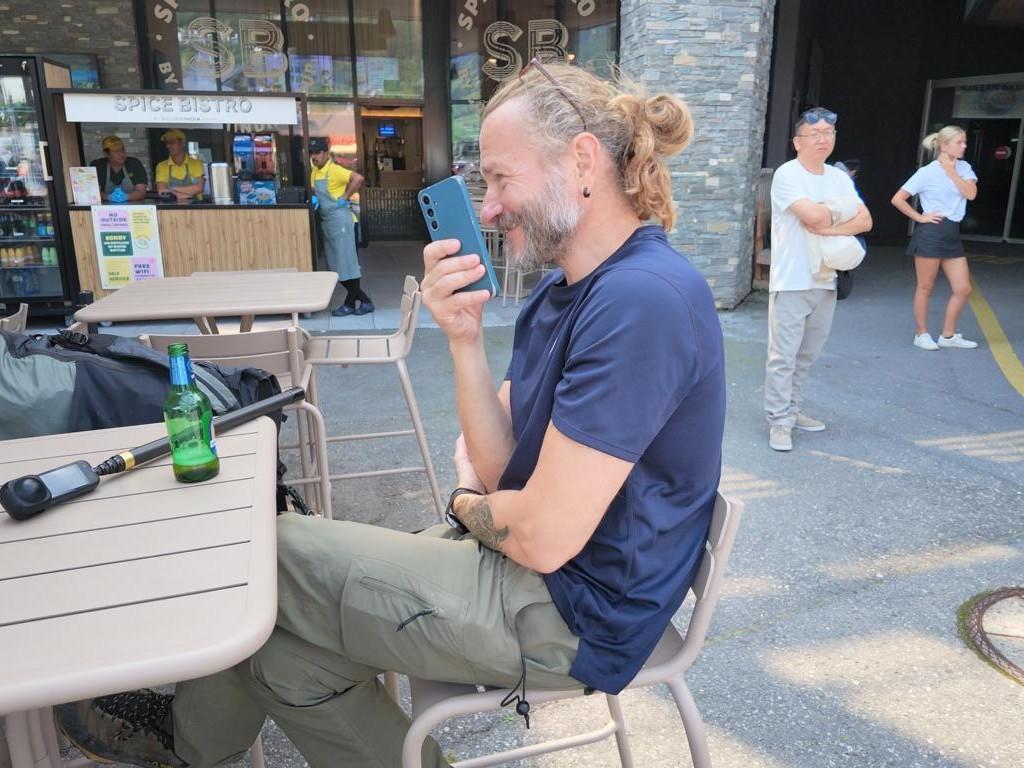
Background information on roaming isolation, lack of train Wi-Fi, and pragmatic cost-saving alternatives for travelers.
Anyone traveling from the EU to Switzerland often experiences an expensive surprise: A quick glance at their smartphone or a navigation request can cost dozens of euros within minutes. This is because Switzerland is a roaming island in the heart of Europe – much to the delight of mobile network operators and to the annoyance of tourists and business travelers.
The paradise of special rules: WhyWill Switzerland be excluded?
Since 2017, the „Roam like at Home“ principle has applied in all 27 EU member states and the EEA: consumers can use their home tariff abroad without additional costs. However, Switzerland is neither an EU nor an EEA member. Because Swiss politicians and the mobile communications industry have consistently rejected bilateral agreements to regulate roaming charges, Swiss and foreign telecommunications providers are completely free to set wholesale network access prices.
The result is a classic win-win situation for the companies: Swiss providers charge foreign telecoms high fees when their customers use the Swiss network. In return,canforeign providers additionaldemand fees.There is no real competitive pressure to lower prices, as there is no legal upper limit.
Why was it different in the past?
Many travelers remember that 10 to 20 years ago, Switzerland was still part of the regular European fare zone for some tariffs.Twenty years ago, mobile phones were used almost exclusively for short calls or text messages. Today, thereSmartphones have become indispensable. WhatsApp calls, apps, navigation services, and the web all require data, which providers charge a high price for.
Displacement effect of EU regulation:Following the abolition of EU roaming charges in 2017, many European providers deliberately excluded non-EU Switzerland from their standard tariffs in order to compensate for lost revenue through third-country prices.
No Wi-Fi on SBB trains – A conscious decision
Unlike in Germany (ICE) or Austria (ÖBB), Swiss Federal Railways (SBB) trains do not offer free Wi-Fi for occasional users. The official SBB position is that tourists and commuters already have mobile phone connections, and therefore the trains are being equipped with signal boosters (repeaters) and laser-reflecting windows. However, this means that internet access on the train remains unavailable to foreign passengers without a Swiss data plan.Overview: Options & Providers for Switzerland
Which options do travelers have to avoid high roaming costs?
Category / Option Providers (Examples) Estimated Cost Features & Details Travel eSIM
(Recommended)Airalo, Holafly, Nomad, Saily from CHF 5.– to 15.– Purely digital data packages (e.g., 1–10 GB). Can be activated online in advance, no physical SIM swap required. Ideal for short trips. Monthly Cancelable Plan
(For longer stays)ALDI TALK CH, Lidl Connect CH, Yallo, Swype from CHF 10.– to 20.– / month Discount providers often offer cheap flat rates (internet, SMS, calls). Flexibly cancelable after one month. Local Prepaid SIM Swisscom, Sunrise, Salt, Lebara, Swiss Post (Die Post) CHF 30.– to 39.– Classic prepaid cards available in shops or post offices. Lebara, for instance, includes minutes for international calls. Roaming Pass Home Provider (Telekom, Vodafone, O2, etc.) € 5.– to € 15.– / day or week Conveniently bookable via your home provider before arrival. Usually more expensive than eSIMs, but can be used without changing SIM cards. Conclusion: Good preparation saves real money.
The roaming situation in Switzerland is not very user-friendly for tourists, but unavoidable for the for practical travels. Anyone wanting to avoid high bills should definitely not cross the border unprepared. It’s a problem to get from people a private hotspot. Also at the Postbus, WiFi was available, now they stop the service.The best and cheapest solution for modern smartphones is a regional roaming plan, eSIM or booking a Switzerland option with your home provider in good time. Without data you are very often lost in Switzerland. The country could be more friendly in this case.
-

How to Travel Switzerland on a Budget
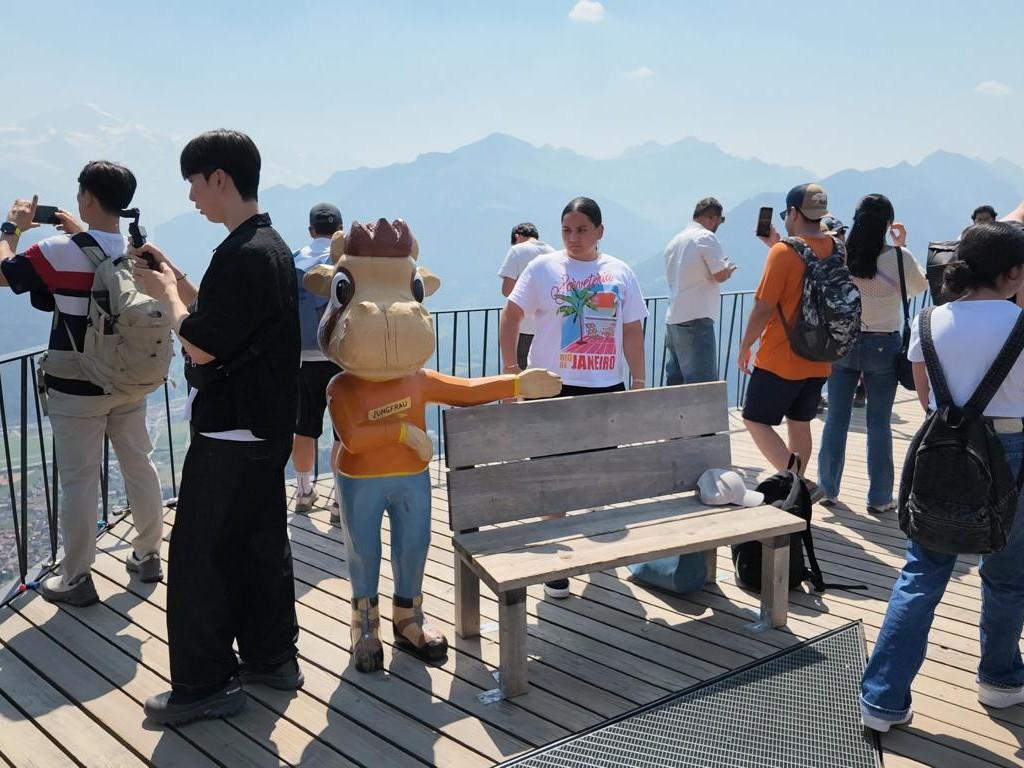
Switzerland is world-famous for its jaw-dropping Alpine scenery and equally famous for eye-watering prices. For backpackers and budget travelers, stepping into the country can feel like a financial tightrope walk between saving money and actually experiencing the sights.
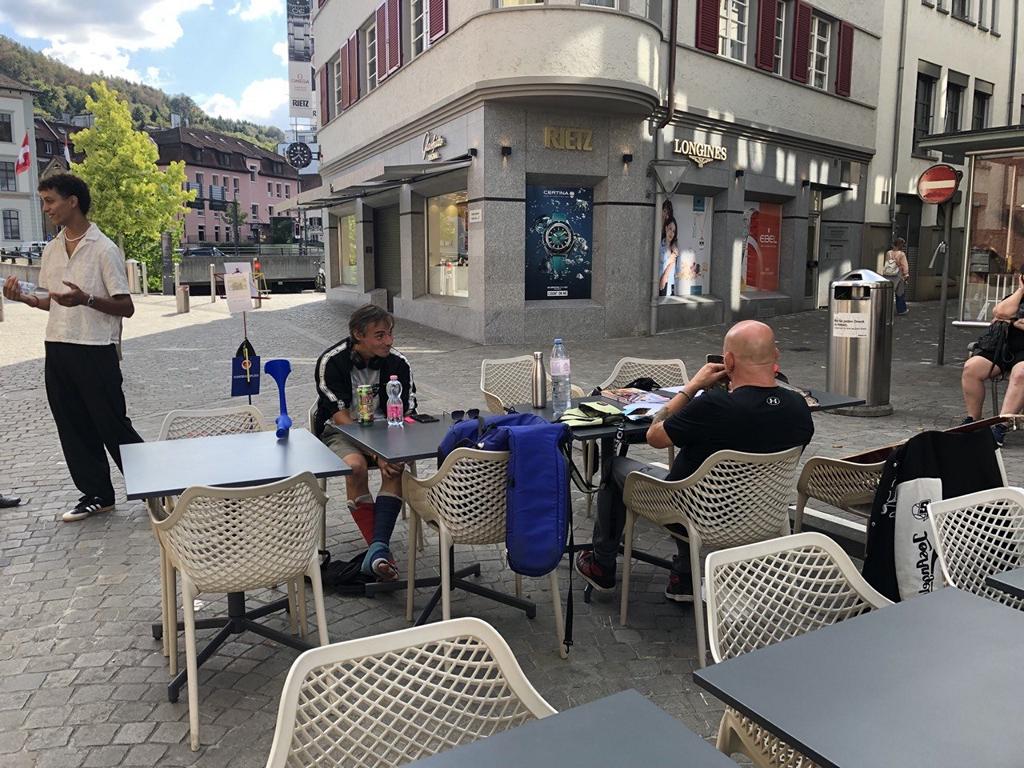
As backpackers at the iconic Balmers Hostel in Interlaken recently proved, things in Switzerland are usually either „expensive“ or „very expensive.“ However, if you know how the locals and savvy travelers play the game, you can dramatically stretch your Swiss Francs without missing out on the adventure.
Mastering the Meal Plan
Food is easily the biggest daily trap for unprepared travelers. Sitting down at a standard restaurant will drain your wallet faster than a skydiving trip in Interlaken.
The smartest move is treating local supermarkets like Coop, Migros, Aldi, and Lidl as your primary dining spots. Their grab-and-go sections offer fresh sandwiches, salads, and hot roasted chicken at a fraction of restaurant prices. When you do decide to order hot takeaway, keep in mind that Swiss portions—especially at Asian, Thai, or kebab spots—are massive. A single 25 CHF takeaway dish can easily be split between two people or saved for a second meal later in the day.
For drinks, skip the bottled water entirely. Kiosks will happily charge you 4 CHF for a plastic bottle, but Swiss tap water from almost any public fountain is pristine, free, and delicious. Simply bring a reusable bottle and refill as you go.
Smarter Transit and Connectivity
Train rides through the Swiss Alps offer breathtaking views, but buying individual point-to-point tickets on a whim can easily cost hundreds of Francs over a short trip. Booking SBB Saver Day Passes (Spartageskarten) weeks in advance locks in unlimited daily travel for a tiny fraction of the standard price. If you are entering Switzerland from neighboring France or Germany, look into regional cross-border rail passes, which often include free or heavily discounted Swiss segments.
Communication is another hidden expense. Because Switzerland is not part of the European Union, standard EU roaming SIM cards usually stop working or trigger exorbitant roaming fees the moment you cross the border. Switching to a local e-SIM or downloading offline maps before arrival prevents costly surprises on your phone bill.
Free Adventures in the Alps
While high-flying adrenaline sports like skydiving or paragliding come with hefty price tags, Switzerland’s absolute best feature costs nothing at all: its wilderness.
You do not need to spend 100 CHF on a cable car to experience the high Alps. Thousands of kilometers of world-class, impeccably marked hiking trails start right from the valley train stations. Pair a day hike with a swim in Lake Thun, Lake Brienz, or Lake Geneva, and you have a world-class Alpine itinerary that costs virtually zero.
The Ultimate Swiss Budget Cheatsheet
Travel Category The Pricey Trap The Budget-Smart Alternative Potential Savings Drinking Water 4 CHF bottled water at kiosks Free refills from public fountains using a reusable bottle 10–15 CHF / day Accommodation Last-minute hotels (200+ CHF/night) Hostels booked early (40–45 CHF) or Swiss farm campsites 100–150 CHF / night Dining Out Sit-down restaurants (40–60 CHF/meal) Supermarket picnics (Coop/Migros) or split takeout portions 30–40 CHF / meal Public Transit On-the-spot full-fare train tickets SBB Saver Day Passes (Spartageskarten) booked weeks ahead 50–100 CHF / trip Mountain Transport Summit cable cars & funiculars High-altitude hikes starting directly from valley stations 60–120 CHF / ride Mobile Data EU roaming fees (non-EU rates apply) Local Swiss e-SIM card bought before crossing the border 20–50 CHF / trip Sightseeing Paid observation decks & paid parks Free public lake beaches (Strandbäder) & public parks 15–30 CHF / entry Evening Drinks Bar pints & cocktails (8–18 CHF) Sunset supermarket craft beers or local wine enjoyed lakeside 15–30 CHF / night Luggage Storage Station lockers (7–12 CHF/day) SBB luggage shipping or free hostel storage desks 7–12 CHF / day Tipping USA-style 18–20% tipping Minimal rounding up (service charges are legally included) 10–20 CHF / meal Final Note: As one Texan backpacker in Interlaken put it after a seven-hour trek: „In Switzerland, you can sleep when you get home.“ Set a budget, plan ahead, and let the landscape do the heavy lifting!
-

Songmaker on tour in Switzerland
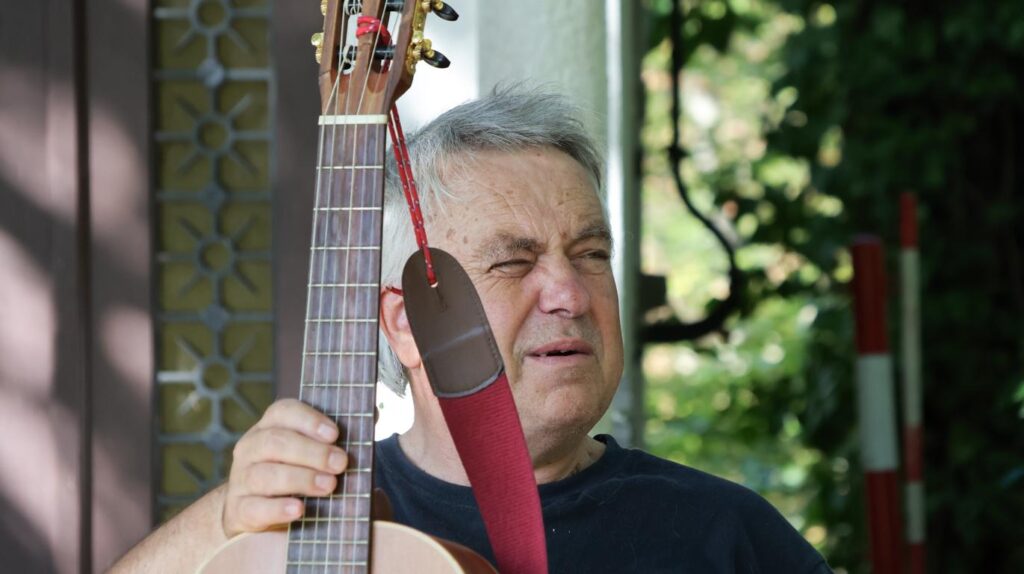
I’m a singer-songwriter with over 1,500 songs. I channel my everyday life and other things that interest me into my lyrics. This has resulted in a large collection of songs that I’m happy to share.
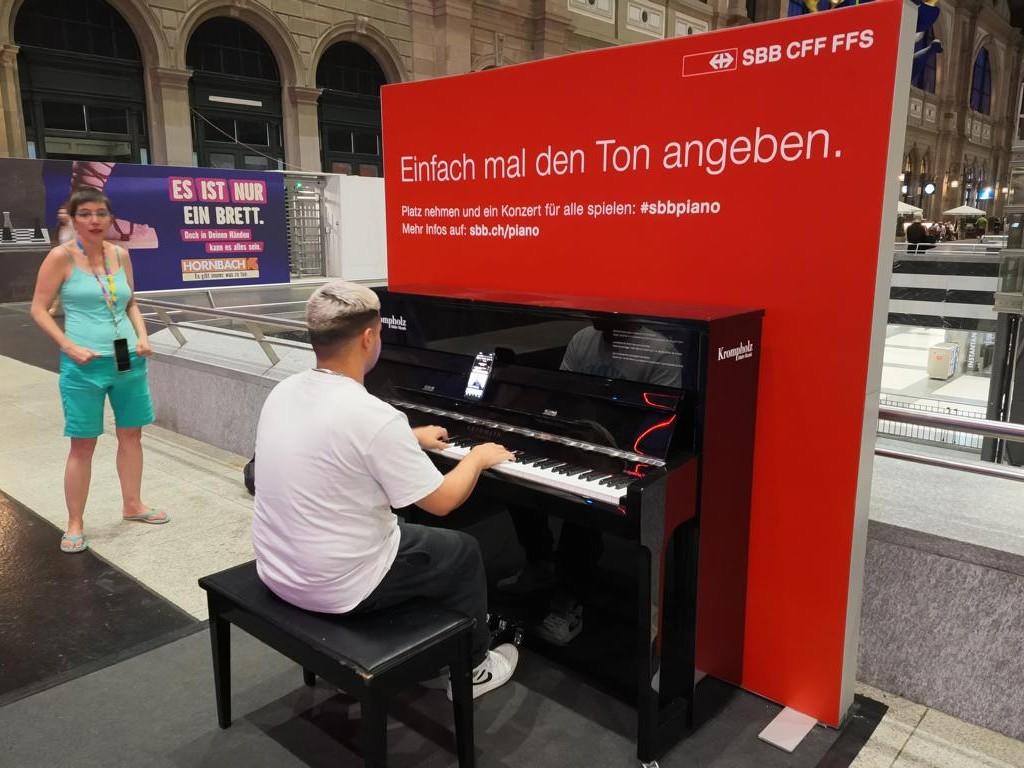
When I’m traveling by train, I sometimes strum my guitar. As long as I’m not making noise or begging, it’s allowed. But often, my guitar is just me, along with my tablet containing all my songs.
I have a Swiss Travel Pass, so I’d love to travel with tourists through Switzerland, accompany them, and help improve the website Voyage.help. This would allow me to step outside my daily routine and further develop as a singer-songwriter and travel writer.
Songs are a wonderful way to connect with people, so I should take advantage of this opportunity more often.
See also my website for Friends.guide
-

Porcelaincup International
I was born in Selb, the porcelain city, and I love porcelain. My first WordPress website was about porcelain tours. I also had an idea for a Porcelain Cup, which might work, but focusing solely on that won’t get me anywhere.
Porzellan.reisenA good friend of mine deals in porcelain on eBay. When I visit him, I browse his stock and especially enjoy the beautiful porcelain from Rosenthal and Hutschenreuther.
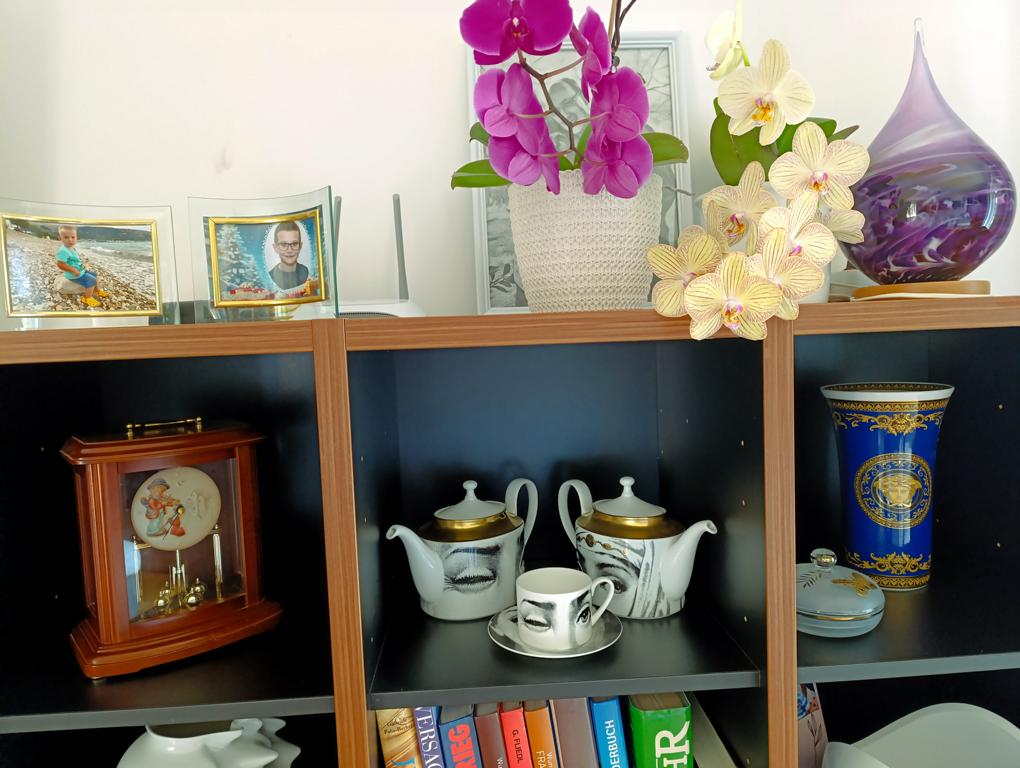
At home, I have city-themed cups from Rosenthal, Bopla plates from Langenthal, and an Alt Wien coffee service from Schönwald – I could set a beautiful table with them. In everyday life, I at least use the lovely city-themed cups.
Porcelain reminds me that we’ve lost touch with hospitality and time itself. Where are the pleasant meeting places in our neighborhoods? And how do we spend time together?
My website has many ideas, for example:
-

Better future with tourism
The planet secures our survival by providing enough food. However, distribution requires trade to generate the financial means needed for exchange. Tourism is a great vehicle for this: we pay for accommodations, excursions, and food, thereby securing jobs and income.
Thus, tourism is a wonderful way to boost the economy. Hotels and restaurants can be opened with relatively little capital, and in the end, tourists pay the bill. Although living or traveling in Switzerland requires a lot of money, guests are warmly welcomed here as well.
After all, tourists do not just bring money; they also foster mutual understanding, help us break down prejudices, and bring us closer together on this planet. The main challenge is that for most people, life in Switzerland is quite expensive. Conversely, Swiss travelers often prefer to spend less while on vacation. That, too, is worth discussing.
For me, it is fascinating to see who actually visits Switzerland from around the world—whether it is truly just the upper class, or rather the middle class fulfilling their dreams through travel.
And at least, I force the idea that tourism should bring peace to the world